Top 5 Common Mistakes Food Businesses Make in HACCP Planning
12/2/20253 min read
And how to fix them before they cost you time, money and stress.
For many food businesses, HACCP feels like paperwork created for audits rather than a tool that protects the business every single day. In reality, a strong HACCP plan saves money, reduces waste, prevents recalls and keeps customers safe. Yet the same mistakes appear again and again across cafés, small manufacturers, delis, bakeries and start-ups.
Here are the top five issues — and how to fix them quickly.

1. Treating HACCP as a “set and forget” document
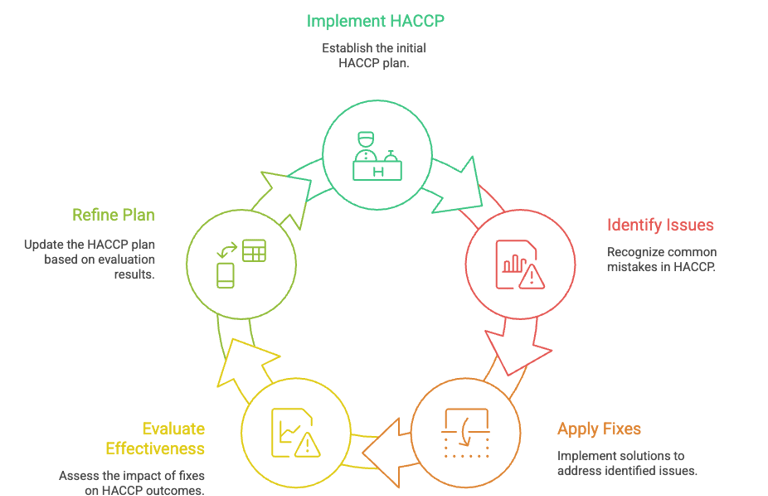
The most common mistake is writing a HACCP plan once and never updating it. Recipes, suppliers and equipment change constantly, and if your plan doesn’t match what happens on the floor, it won’t protect you.
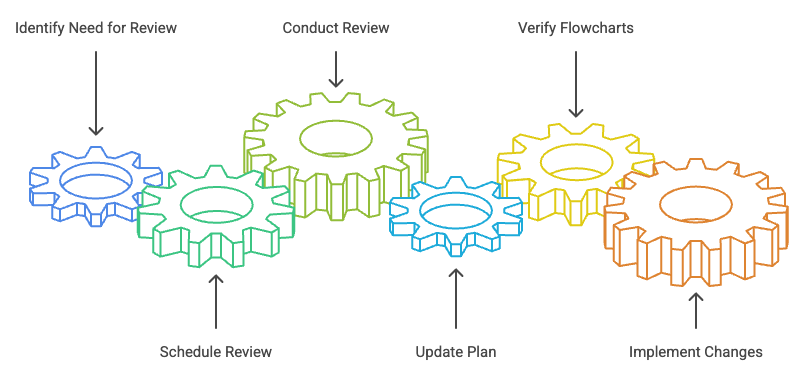
Fix: Review your HACCP plan at least every 12 months — or whenever you change a process, ingredient or supplier. Make sure your flowcharts actually reflect real production.

2. Missing key hazards (or adding way too many)
Businesses often miss major hazards like allergen cross-contact or foreign material — or they list every hazard they can think of and overload the plan.
Fix: Focus on hazards that are realistically likely. Stick to the main categories: microbiological, chemical, physical and allergen. Keep it clear and relevant to your product.


3. Incorrect CCPs and weak critical limits
This includes choosing the wrong CCPs, having too many, or setting limits that aren’t validated (e.g., guessing cook temperatures). A CCP must control a significant hazard — and you must be able to measure it.
Fix: Validate your critical limits using recognised sources. CCPs should be true kill or prevention steps like cooking, chilling, pH control or metal detection.


4. Poor monitoring and recordkeeping
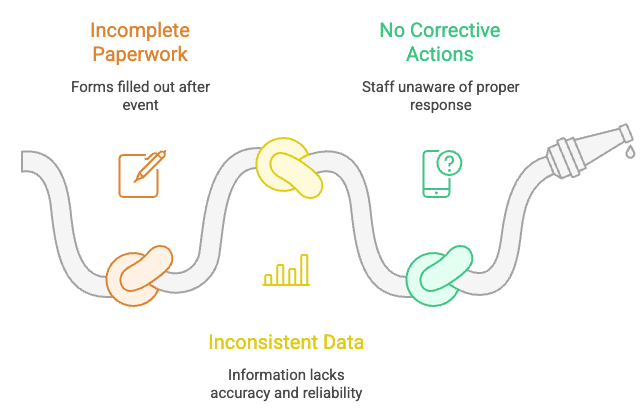
Paperwork is often incomplete, inconsistent, or filled out after the fact. Some businesses have no clear corrective actions, so staff don’t know what to do when something goes wrong.
Fix: Use simple monitoring forms. Train staff on exactly what to record and what actions to take. Review records weekly so you catch issues early.
5. No real HACCP team involvement
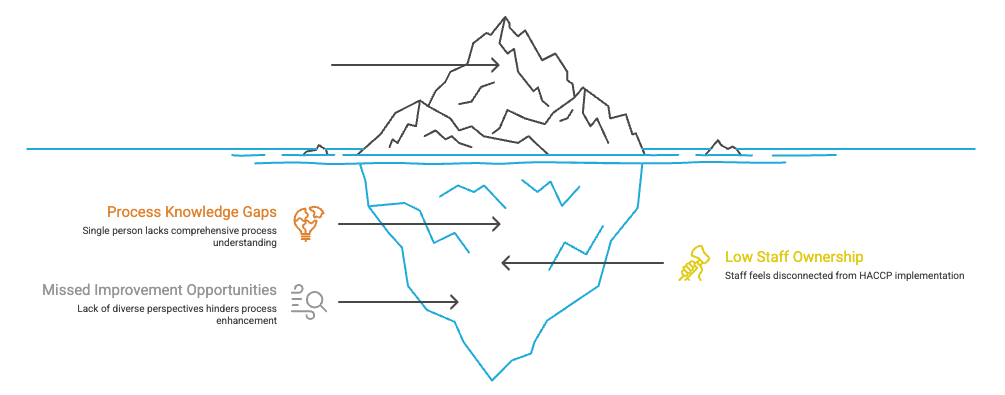
Many businesses leave HACCP to one person, which leads to gaps and low staff ownership. Your operators usually know the process better than anyone — involve them.
Fix: Form a small HACCP team (even 2–3 people). Meet twice a year to review changes, incidents and improvements.

A Quick Win: Refresh Your HACCP in 30 Days
Week 1: Update your process flow and walk the floor.
Week 2: Revisit your hazard analysis.
Week 3: Validate CCPs and update forms.
Week 4: Train staff and start a weekly record review habit.
Small improvements deliver big results — fewer issues, less waste, better audits and less stress.
If you want your HACCP plan checked or updated, I can create a simple, tailored action plan for your business.